top of page
All Posts


Beyond the Browser: How WASI is Revolutionizing Serverless Architecture
When WebAssembly (Wasm) was first introduced to the software engineering world, it was heralded as the ultimate performance injection for web browsers. It allowed developers to compile heavy, low-level languages like C++, Rust, and Go into a highly optimized binary format that could execute inside the browser sandbox at near-native speeds. For years, Wasm was viewed exclusively as a frontend tool designed to accelerate web-based graphics, complex simulations, and cryptographi
CipherRoot Software
3 gün önce3 dakikada okunur


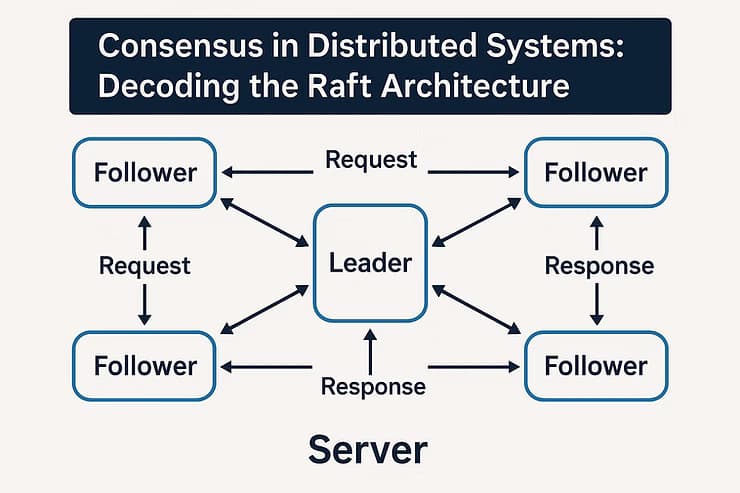
Consensus in Distributed Systems: Decoding the Raft Architecture
In the modern era of software engineering, we no longer rely on single, monolithic servers to host critical applications or store sensitive user data. To ensure high availability and fault tolerance, data is distributed across a cluster of multiple independent machines. However, moving from a single server to a distributed network introduces a fundamental computer science dilemma: How do multiple independent nodes agree on a single, shared reality? If one machine processes an
CipherRoot Software
3 gün önce3 dakikada okunur


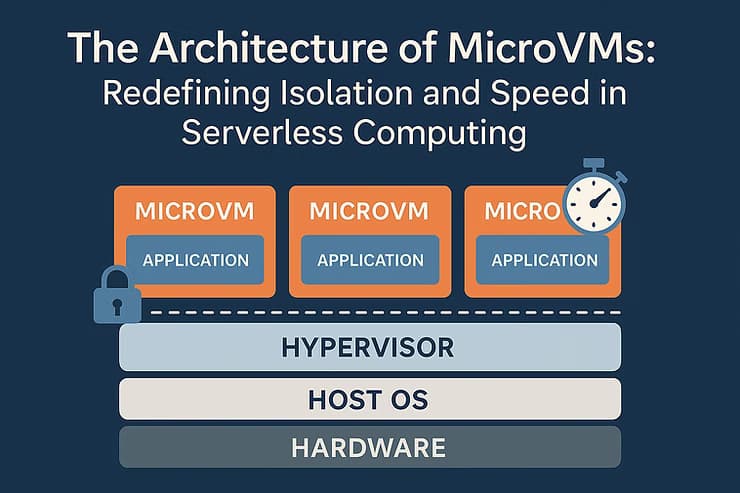
The Architecture of MicroVMs: Redefining Isolation and Speed in Serverless Computing
For years, software deployment was forced to balance on a thin line between two structural pillars: Security Isolation and Operational Speed. If a developer needed absolute multi-tenant security to run untrusted code, the traditional answer was a heavyweight Virtual Machine (VM). However, traditional VMs carry massive legacy hardware emulation bloat, taking several seconds to boot and consuming hundreds of megabytes of idle memory. To bypass this overhead, the software indust
CipherRoot Software
3 gün önce4 dakikada okunur


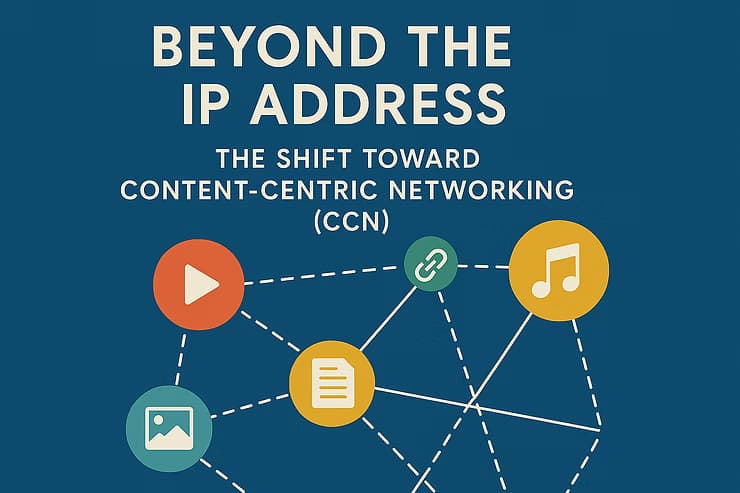
Beyond the IP Address: The Shift Toward Content-Centric Networking (CCN)
For over forty years, the global internet has operated on a foundational principle: Location. The Internet Protocol (IP) architecture we rely on daily is designed to answer a single question: Where is the data stored? When you access a lightweight web utility, a compiled software tool, or a dense CGI asset pack, your browser must establish a point-to-point connection with a specific server IP address located in a centralized data center. However, modern internet usage has com
CipherRoot Software
3 gün önce3 dakikada okunur


Beyond WebGL: Mastering WebGPU and the Power of WGSL
For nearly a decade, WebGL was the undisputed standard for bringing 3D graphics and complex visual rendering to the web browser. It allowed developers to escape the limitations of flat 2D layouts and build interactive games, data visualizations, and creative CGI environments. However, WebGL is based on OpenGL ES—a legacy graphic pipeline architecture designed in an era before modern, massively parallel graphics hardware existed. As a result, WebGL introduces significant CPU o
CipherRoot Software
3 gün önce3 dakikada okunur


Taming Browser Bloat: Mastering Memory Optimization with Page Lifecycle API
Modern web browsers are incredibly powerful computing environments, but they have earned a notorious reputation for a critical flaw: Memory Bloat. As users leave dozens of complex web applications, real-time dashboards, and interactive simulations open across multiple background tabs, browsers consume immense amounts of system RAM. When a background application continuously consumes CPU cycles and memory overhead, it drains the host machine’s battery, heats up the hardware, a
CipherRoot Software
3 gün önce3 dakikada okunur


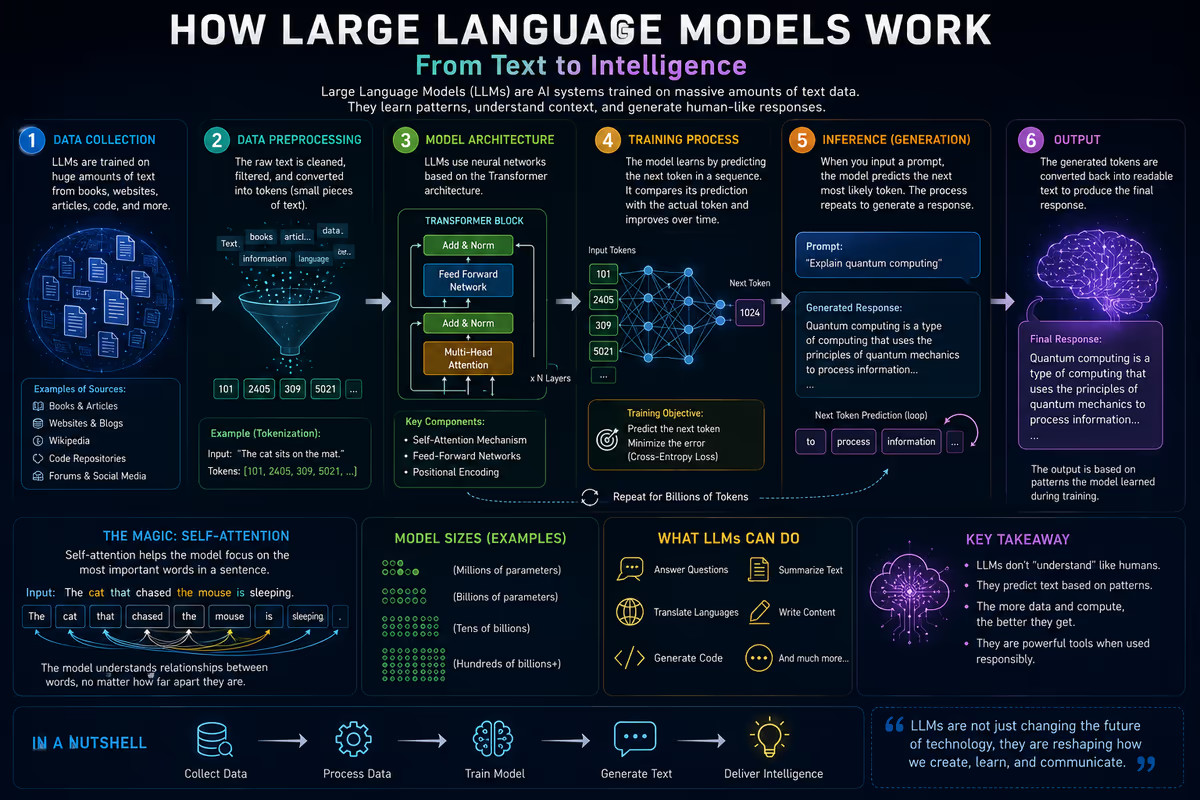
Small Language Models (SLMs): The Rise of High-Performance Localized AI
The current mainstream narrative around Artificial Intelligence is heavily centralized. To run a modern Large Language Model (LLM), developers are told they must connect their applications to massive, corporate cloud APIs. While cloud models are incredibly capable, they introduce distinct structural vulnerabilities for independent software architecture: continuous API billing overhead, heavy network latency, and the forced exposure of private user data to third-party cloud se
CipherRoot Software
3 gün önce3 dakikada okunur


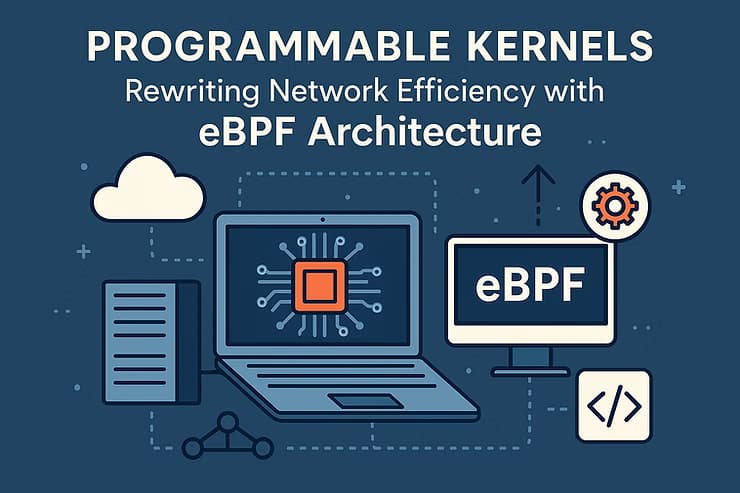
Programmable Kernels: Rewriting Network Efficiency with eBPF Architecture
For decades, modifying how an operating system kernel handles network packets, system security, or telemetry data required making a fundamental and risky choice. Developers either had to write a custom kernel module—which risked crashing the entire operating system if a single memory bug occurred—or wait years for mainstream Linux kernel updates to adopt new protocols. This rigid barrier created a massive operational bottleneck for high-performance software engineering and re
CipherRoot Software
3 gün önce3 dakikada okunur


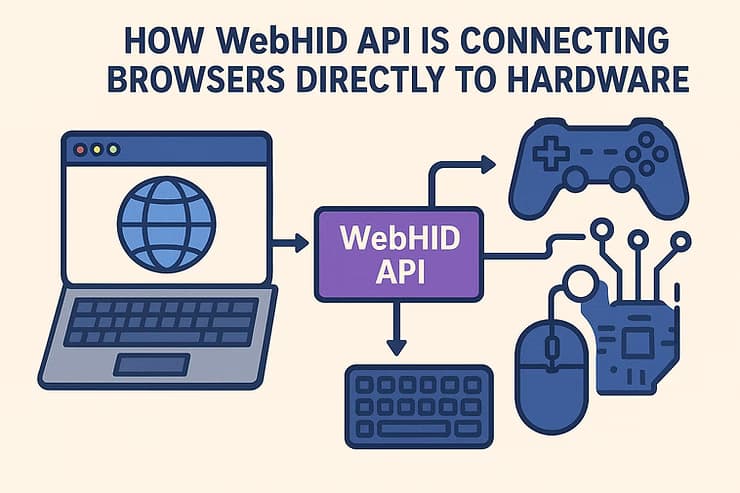
How WebHID API is Connecting Browsers Directly to Hardware
For decades, web browsers were deliberately isolated from the user's physical computer hardware. Due to strict security frameworks, a web page could only interact with the outside world through standardized inputs: a mouse, a keyboard, and occasional gamepad inputs. If a developer wanted to build a configuration tool for specialized equipment, custom hardware controllers, or local automation devices, the web browser was immediately ruled out. You had to force users to downloa
CipherRoot Software
3 gün önce3 dakikada okunur


Going Off-Grid: Building High-Performance Local Build Pipelines Without Cloud Dependency
In the modern software engineering landscape, we have become dangerously reliant on the cloud. Whenever a developer pushes a code update, a massive chain of third-party cloud tools—CI/CD pipelines, remote builders, and automated deployment scripts—wakes up in a corporate data center somewhere across the globe. While convenient, this heavy cloud-centric workflow introduces severe modern bottlenecks: rising subscription overhead, hidden latency, and constant reliance on an acti
CipherRoot Software
3 gün önce3 dakikada okunur


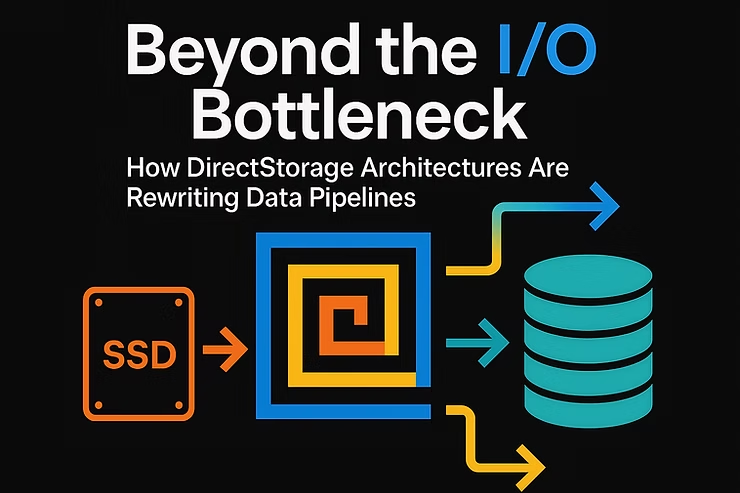
Beyond the I/O Bottleneck: How DirectStorage Architectures Are Rewriting Data Pipelines
Introduction For years, hardware manufacturers have chased raw speed. We moved from spinning hard drives to SATA SSDs, and eventually to blazing-fast NVMe drives capable of transferring gigabytes of data per second. Yet, if you launch a modern asset-heavy application, a massive real-time web simulation, or a complex 3D rendering suite, you are still greeted by a frustrating relic of the past: loading screens and micro-stutters. The hardware became faster, but the software dat
CipherRoot Software
3 gün önce3 dakikada okunur


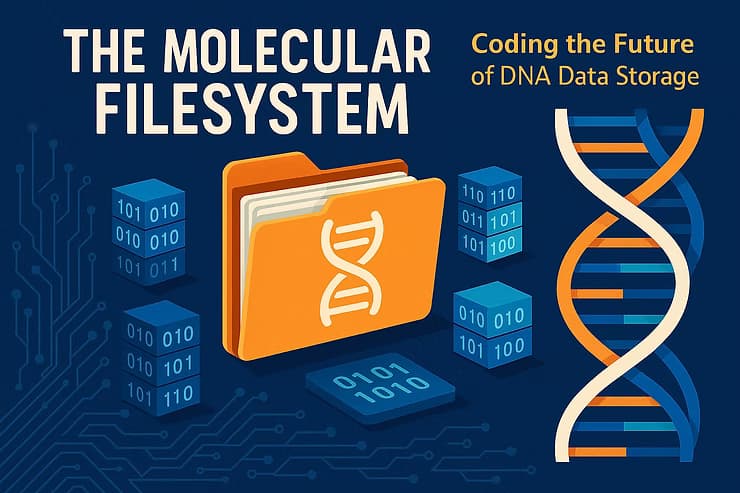
The Molecular Filesystem: Coding the Future of DNA Data Storage
Every day, humanity generates exabytes of digital data. From complex 3D rendering caches and lightweight web utilities to global application logs, our thirst for storage is growing exponentially. However, our current physical storage mediums—spinning hard drives (HDDs) and solid-state drives (SSDs)—are fighting a losing battle against time and physical degradation. Silicon and magnetic tapes wear out, require massive physical space, and consume continuous power. To prevent a
CipherRoot Software
3 gün önce3 dakikada okunur


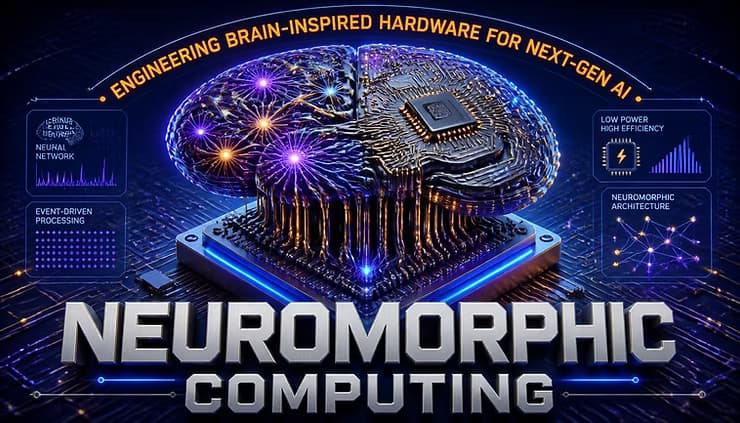
Neuromorphic Computing: Engineering Brain-Inspired Hardware for Next-Gen AI
For the past few years, the rapid expansion of Artificial Intelligence has relied on a brutal, unsustainable strategy: brute force. We train increasingly massive Large Language Models (LLMs) by throwing thousands of power-hungry GPUs into sprawling cloud data centers. However, this traditional silicon architecture—based on the classic Von Neumann model—is reaching its physical and thermodynamic limits. To unlock the next true evolution of artificial intelligence, we must fund
CipherRoot Software
3 gün önce3 dakikada okunur


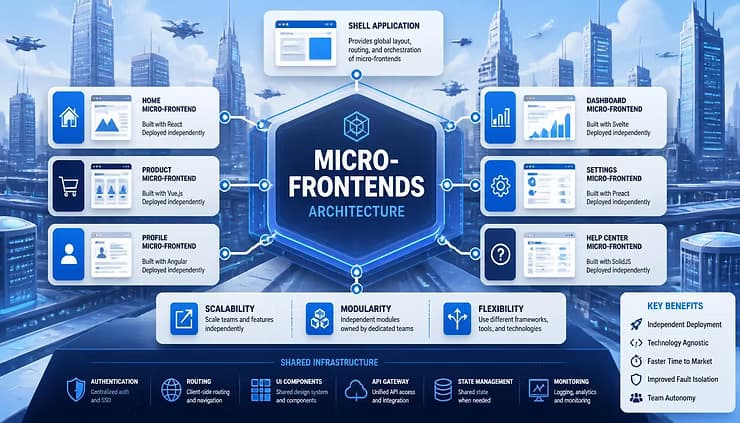
Micro-Frontends Architecture: Scaling Complex Web Platforms Without Breaking Code
As web applications grow from simple landing pages into massive, enterprise-level digital ecosystems, developers face a monumental challenge: The Monolithic Bottleneck. When dozens of features, layout elements, and data hooks are tightly bound within a single, massive codebase, the entire system becomes fragile. A single minor bug in a secondary layout component can trigger a cascade of fatal errors, crashing the entire user experience. To solve this critical scaling issue, m
CipherRoot Software
3 gün önce3 dakikada okunur


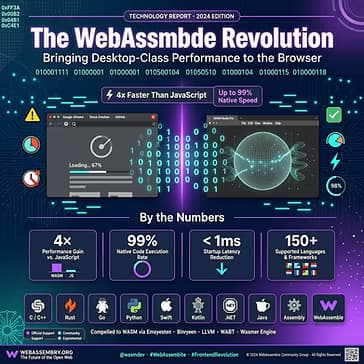
The WebAssembly Revolution: Bringing Desktop-Class Performance to the Browser
For years, the web browser was viewed as a limited environment. It was a place for static text, stylized layouts, and lightweight scripts. If a developer wanted to build a high-performance utility, a complex simulation, or an interactive 3D rendering engine, the answer was always the same: You must build a native desktop application. JavaScript, despite its incredible evolution, simply wasn't designed to handle heavy, low-level CPU computations. That limitation is officially
CipherRoot Software
3 gün önce3 dakikada okunur


Beyond the Cloud: Why the Future of Web Applications Belongs to Edge Computing
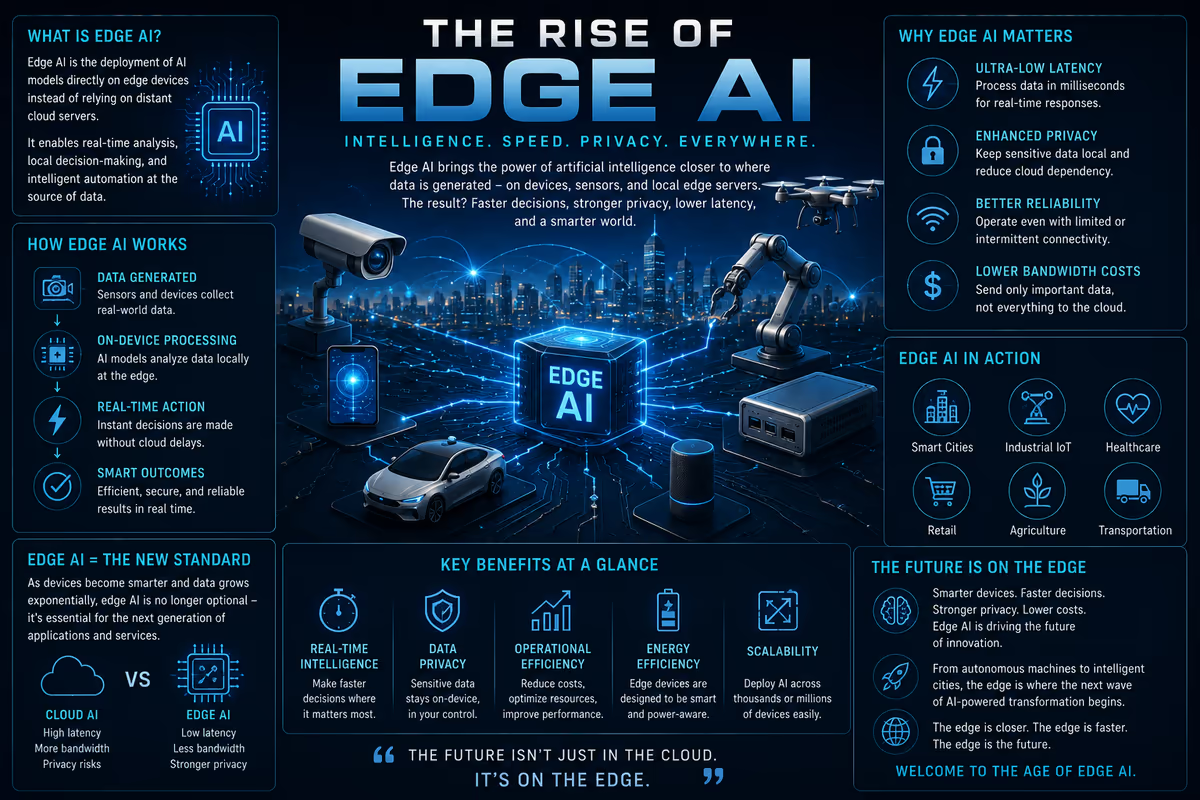
For the past decade, cloud computing has been the undisputed backbone of the digital world. We became comfortable deploying lightweight web experiences and applications to massive, centralized data centers owned by tech giants. But as we push toward real-time simulations, interactive web applications, and autonomous web networks, the traditional cloud model is hitting a physical wall: Latency. Sending data back and forth to a server halfway across the world is no longer susta
CipherRoot Software
3 gün önce3 dakikada okunur


The Weight of Ghost Bytes: Unmasking the Silent Threat of Dark Data
When we upload a file to the cloud, render a complex 3D scene, or deploy a lightweight web utility, we treat the digital realm as an infinite, weightless void. We think of data as ghost-like entities floating frictionlessly through fiber-optic cables. But this is a dangerous illusion. Every single petabyte of unindexed, forgotten, and useless information buried in world-wide servers has a physical weight. It consumes electricity, requires massive cooling infrastructure, and r
CipherRoot Software
3 gün önce3 dakikada okunur


AI Archaeology: Exposing the Ghost Code Haunting Our Servers
AI Archaeology: Exposing the Ghost Code Haunting Our Servers Introduction Every day, developers push millions of lines of new code to the cloud. We build new frameworks, compile fresh binaries, and launch lightweight web experiences. But in this relentless rush toward the future, we rarely look down at what we are standing on. Beneath the slick user interfaces of the modern web lies a massive, decaying digital necropolis: decades of abandoned software, forgotten servers, and
CipherRoot Software
3 gün önce3 dakikada okunur


The Quantum Render: Are We Writing Code Inside a Pre-Existing Simulation?
As game developers and CGI animators, we spend our lives constructing worlds from nothing. We drag vertices, bake lighting, write physics loops, and optimize frame rates to make our simulations feel solid, responsive, and real. But if you stare at a game engine long enough, a haunting question begins to ripple through the code: What if the universe we are sitting in is running on the exact same rendering principles? With the rise of quantum computing and ultra-high-fidelity n
CipherRoot Software
3 gün önce3 dakikada okunur


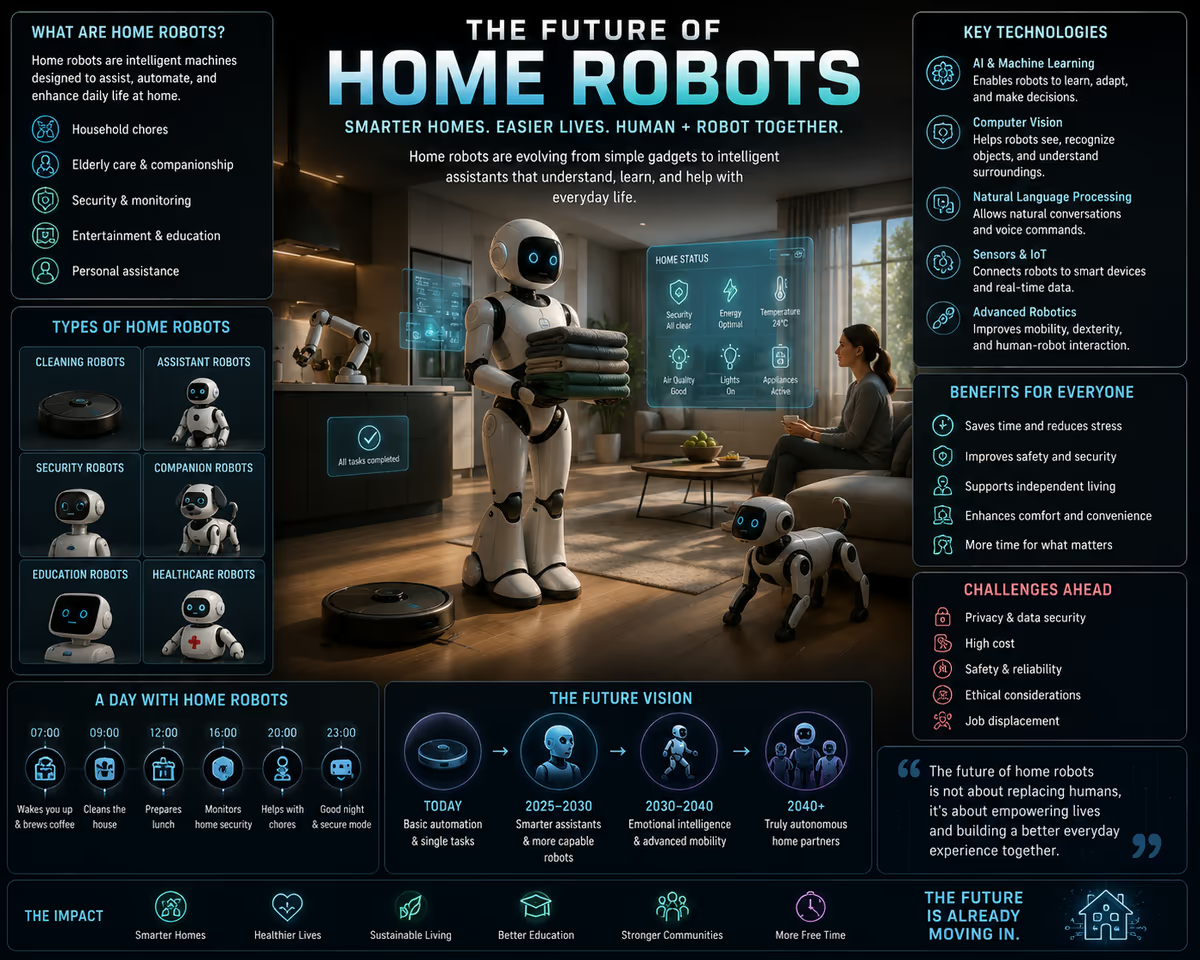
🚀 Elon Musk’s Vision for Humanoid Labor on Mars
🚀 Elon Musk’s Vision for Humanoid Labor on Mars Elon Musk has never been shy about his ultimate goal: making humanity a multi-planetary species. While his massive Starship rockets grab the mainstream headlines, a quiet, metallic evolution is taking place behind the scenes. The real key to colonizing the Red Planet isn’t just fuel or oxygen—it's robotic labor. Humanity's first steps on Mars won't be taken by flesh and blood, but by autonomous humanoids working in the freezing
CipherRoot Software
3 gün önce3 dakikada okunur
bottom of page